

With the acceleration of digital transformation, not only technologies but also career planning methods are changing in the business world. In particular, the widespread use of artificial intelligence technologies in working life is transforming professions and reshaping the skills expected from employees. Today, many companies benefit from artificial intelligence solutions in areas ranging from recruitment processes to performance analysis. This process also increases the importance of new approaches to career development with artificial intelligence.
Traditional career plans alone are no longer sufficient. Today, professionals who can adapt to technology, improve their digital skills, and quickly respond to change are in high demand for building a sustainable career. Studies on career development with artificial intelligence show that digital competencies are becoming increasingly decisive in the business world.
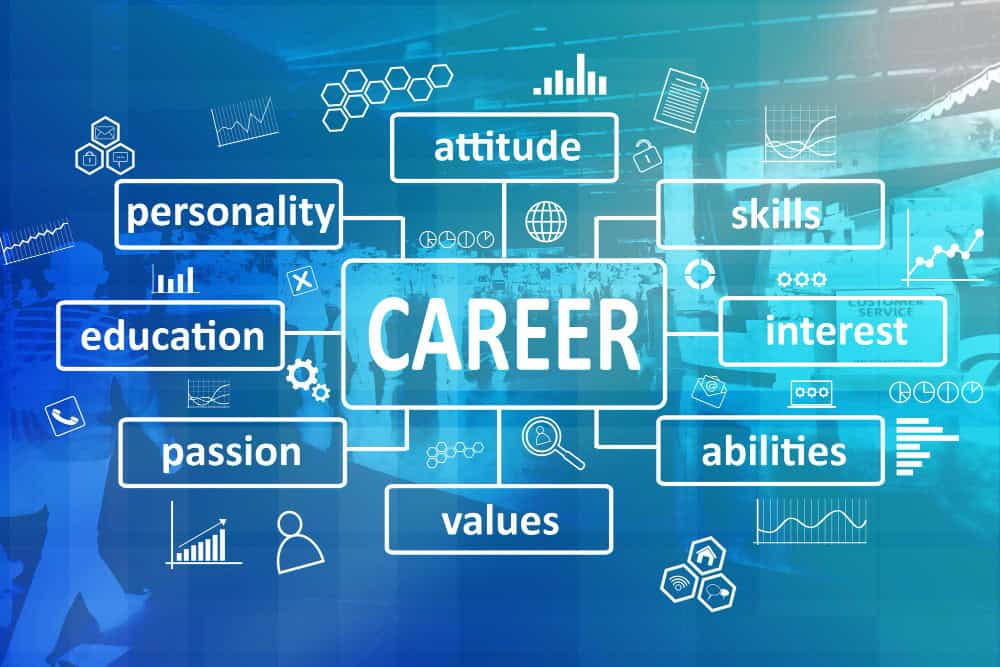
How Artificial Intelligence is Changing Career Planning
In the past, career planning was mainly based on education, experience, and industry progression. However, technological transformation is now happening much faster. Artificial intelligence systems are fundamentally changing business processes in areas such as data analysis, automation, customer relations, production, marketing, and human resources. This transformation is also reshaping how employees and companies approach career development with artificial intelligence.
One of the most significant effects of this transformation is that while some tasks are becoming automated, new areas of expertise are emerging. Roles such as “AI Prompt Specialist,” “AI Trainer,” “AI Ethics Specialist,” and “Data Analyst,” which were uncommon just a few years ago, are now in demand by many companies. Today, companies are not only looking for employees with technical knowledge. Instead, they increasingly prefer professionals who are:
- Technologically literate,
- Skilled in data interpretation,
- Strong problem-solvers,
- Highly adaptable,
- Open to continuous learning.
Prominent Careers in the Age of Artificial Intelligence
As artificial intelligence technologies continue to evolve, many industries are transforming, and the demand for professionals who can combine technology with human skills is rapidly increasing. Companies are now seeking professionals who can not only perform existing tasks but also adapt to changing business models. This highlights the importance of choosing the right profession for career development with artificial intelligence.
Data Analytics and Data Science
As companies increasingly make data-driven decisions, the demand for data analysts and data science professionals is growing rapidly. This field is especially important in finance, healthcare, technology, and e-commerce industries. Data science stands out as one of the strongest opportunity areas for career development with artificial intelligence.
Artificial Intelligence Specialization
Professionals working on machine learning, automation systems, and generative artificial intelligence solutions are part of one of the fastest-growing sectors in technology. AI specialization is considered one of the most important professions of the future.
Cybersecurity Specialization
As digitalization accelerates, data security has become much more critical. Cybersecurity specialists play an important role in protecting companies’ digital systems and identifying potential threats in advance.
Digital Marketing Specialization
AI-powered advertising management, SEO analysis, and user behavior data are reshaping digital marketing. Therefore, digital marketing professionals with strong data literacy are becoming more valuable for companies.
Human Resources Technology Specialization
With the widespread use of ATS systems and AI-based candidate analysis tools, the HR Tech field continues to grow. Human resources professionals now play a more active role in data-driven recruitment and talent management processes.
The First Step in Career Planning with Artificial Intelligence
The first step of successful career planning is accurately analyzing one’s existing skills. In the age of artificial intelligence, this analysis has become even more important because many professions are undergoing transformation. While planning a career, the following questions should be considered:
- Will my current profession transform in the future?
- Which of my skills can remain strong against automation?
- Which skills do I need to improve?
- Which fields should I move toward to work alongside technology?
- Is my data literacy sufficient?
- Can I actively use AI tools?
In today’s rapidly evolving technological environment, updating existing competencies and improving digital skills can provide a significant advantage for career sustainability. Therefore, when planning career development with artificial intelligence, it is essential to regularly analyze competencies and closely follow changing industry demands.

Which Skills Will Maintain Their Value in the Future?
Although artificial intelligence automates many tasks, the importance of human skills is not disappearing. On the contrary, some competencies are becoming even more valuable in the technology era. Companies are now looking not only for technically skilled employees but also for professionals who can analyze, communicate, adapt quickly to change, and work alongside technology. Therefore, in the process of career development with artificial intelligence, investing in human-centered competencies is just as important as technical skills.
Critical Thinking: AI can process large amounts of data and perform analysis, but strategic interpretation still requires human judgment. The ability to evaluate problems from different perspectives and make sound decisions provides a major advantage in business life.
Communication Skills: Strong communication remains essential in areas such as team management, customer relations, leadership, and crisis management. AI systems may automate processes, but empathy and human interaction continue to be irreplaceable.
Creativity: AI can generate content and analyze data, but original thinking and innovative solutions still depend on human creativity. Creativity provides companies with a competitive advantage, especially in marketing, design, media, and brand management.
Adaptability: Since technology constantly evolves, individuals who are open to learning advance more quickly in the business world. Adaptability is a critical factor for long-term career success.
Digital Literacy: Understanding AI tools and effectively using digital systems has become a basic requirement in many industries. Digital literacy is now considered an important competency not only in technology but also in human resources, finance, and many other sectors.
How to Create an AI-Supported Career Plan
Artificial intelligence is transforming not only business processes but also career planning methods. As companies increasingly use AI-supported systems in recruitment processes, employees are expected to plan their careers more strategically. Therefore, individuals who can adapt to technology and continuously improve themselves gain an advantage in career development with artificial intelligence. For those seeking professional guidance, career coaching and consultancy services can also contribute significantly to building the right career roadmap. Key points for effective career planning include:
Setting Goals: Defining short-, medium-, and long-term career goals clearly helps manage the career process more effectively.
Industry Analysis: Following growing sectors such as technology, health technologies, fintech, and AI-based services can provide future advantages.
Using Online Education: Certificate programs and online training provide important opportunities for gaining new skills and supporting career transformation.
Learning AI Tools: Being able to use AI-supported technologies such as chatbot systems, data analysis tools, and automation platforms creates a competitive advantage.
Building a Professional Network: Being active on platforms like LinkedIn and engaging in networking activities can help create new career opportunities.
Why Is Artificial Intelligence Important in Human Resources?
Human resources processes are also being heavily influenced by artificial intelligence technologies. Today, many companies benefit from automation systems during their recruitment processes. AI-powered human resources applications:
- Speed up CV screening processes,
- Optimize candidate matching,
- Perform competency analyses,
- Support performance evaluations,
- Analyze training needs.
For this reason, candidates need to master not only traditional CV preparation methods but also ATS-friendly resume writing techniques. In particular, keyword optimization, properly categorizing experiences, and creating a digital portfolio can provide advantages during recruitment processes.
Will Artificial Intelligence Completely Eliminate Jobs?
This is one of the most frequently asked questions today. Although artificial intelligence automates certain tasks, it is not expected to completely eliminate all professions. Instead, professions are transforming and the way employees work is changing.
For example, accountants are now focusing on data interpretation rather than manual operations, while marketing specialists use AI tools for ad optimization. Human resources professionals use automation systems for candidate analysis, and software developers work faster with AI-supported coding tools.
In other words, artificial intelligence often transforms work processes rather than replacing humans entirely. Therefore, the main approach in the process of career development with artificial intelligence should not be resisting technology, but developing skills that can work alongside AI.

Is Career Change Possible in the Age of Artificial Intelligence?
As changing business models make transitioning into different industries more common, companies are also placing greater importance on employees who are open to learning and adaptable to technology. For this reason, making a career change during the process of career development with artificial intelligence has become an important opportunity for many people. There are several key points to consider when changing careers:
Identifying Transferable Skills: Skills such as communication, project management, analytical thinking, team coordination, and problem-solving can be used across many industries. Properly analyzing existing competencies can make transitioning into new career fields easier.
Starting with Small Steps: Instead of making major changes immediately, gaining experience through certification programs, online courses, or freelance projects may provide a healthier transition process.
Not Resisting Technology: Artificial intelligence should be seen as an opportunity for career growth rather than a threat. Improving digital skills can provide a long-term competitive advantage.
Building a Culture of Continuous Learning: In the future business world, the learning process will never completely end. Therefore, individuals planning career development with artificial intelligence should continuously follow new technologies and improve themselves regularly.
How Should Students and Recent Graduates Prepare for the AI Era?
Competition for recent graduates is becoming more intense every year. For this reason, gaining additional competencies alongside university education has become increasingly important. Students who take conscious steps early in the field of career development with artificial intelligence can achieve stronger opportunities in professional life. Students can focus on the following areas:
- Developing digital skills,
- Data literacy,
- English and technical terminology,
- Using artificial intelligence tools,
- Internship and project experience,
- Online certification programs,
- LinkedIn profile optimization.
In addition, it is necessary to create a development plan focused not only on diplomas but also on practical experience. Because companies now value problem-solving abilities as much as theoretical knowledge. Therefore, during the process of career development with artificial intelligence, it is also very important for students to gain practical experience alongside technical knowledge.
What Kind of Employees Do Companies Prefer in the AI Era?
In modern recruitment processes, companies value learning ability as much as technical knowledge. Especially in rapidly changing industries, employees’ ability to adapt to new systems has become critical. Today, many companies prefer professionals who can work alongside technology and quickly adapt to changing business models. This shows how important personal competencies have become in the process of career development with artificial intelligence. The employee profiles companies prioritize generally include professionals who are:
- Able to adapt to technology,
- Analytical thinkers,
- Compatible with teamwork,
- Effective in using digital tools,
- Strong communicators,
- Open to continuous development,
- Professionals capable of making data-driven decisions.
For this reason, career planning should focus not only on technical expertise but also on personal development areas. Individuals planning career development with artificial intelligence can gain significant advantages by improving their communication, problem-solving, and adaptability skills alongside digital competencies. As Astera Human Resources, we support professionals in planning their career journeys more consciously while adapting to the changing business world.

The Importance of Building a Personal Brand Supported by Artificial Intelligence
Personal brand management can provide a significant advantage during the process of career development with artificial intelligence. To build a personal brand, actively using LinkedIn, sharing industry-related content, creating an online portfolio, making education and certifications visible, and producing content in your area of expertise can provide major benefits.
In recruitment processes where AI-supported algorithms are widely used, digital visibility can help professionals stand out more easily. Especially individuals planning career development with artificial intelligence can increase their chances of reaching new career opportunities by making their expertise more visible on digital platforms.
The Foundation of a Successful Career in the Age of Artificial Intelligence
Artificial intelligence technologies continue to transform the business world. While this transformation changes some professions, it also creates new areas of opportunity. Today, technical knowledge alone is not enough to build a successful career plan. Adaptability, digital literacy, data analysis skills, and continuous learning habits have become equally important. Especially during the process of career development with artificial intelligence, individuals who can quickly adapt to change can gain stronger advantages in professional life.
As the use of artificial intelligence in human resources processes increases, becoming compatible with technology is no longer a preference for employees but a necessity. Companies increasingly prefer professionals who are open to learning, capable of using digital tools effectively, and possess strong problem-solving abilities.
Professionals who make the right plans, follow emerging technologies, and continuously update their skills can achieve much stronger opportunities in the future business world. For this reason, you can contact us to receive professional support in the field of career development with artificial intelligence and plan your career journey more consciously.
Frequently Asked Questions
How does artificial intelligence affect career planning?
Artificial intelligence is transforming professions and changing the skills companies expect from employees. Digital competencies are becoming increasingly important in today’s business world.
Which professions are becoming more prominent with artificial intelligence?
Data analytics, artificial intelligence expertise, cybersecurity, digital marketing, and HR technologies are among the professions gaining greater importance.
Will artificial intelligence completely eliminate jobs?
Most professions are not expected to disappear completely but rather undergo transformation. Artificial intelligence is changing how employees perform their work.
Which skills are important for career development with artificial intelligence?
Digital literacy, analytical thinking, communication skills, creativity, and adaptability are becoming more valuable for the future workforce.
What should be considered when making a career change?
Transferable skills should be analyzed carefully, career transitions should progress through gradual steps, and individuals should develop a habit of continuous learning.
How should students prepare for the age of artificial intelligence?
Students should focus on digital skills, data literacy, AI tools, and hands-on project experience to prepare for future career opportunities.
What kind of employees do companies prefer in the age of artificial intelligence?
Companies prefer employees who can adapt to technology, possess strong problem-solving abilities, think in a data-driven way, and remain open to continuous learning.